
HVOF Coating
HVOF Coating
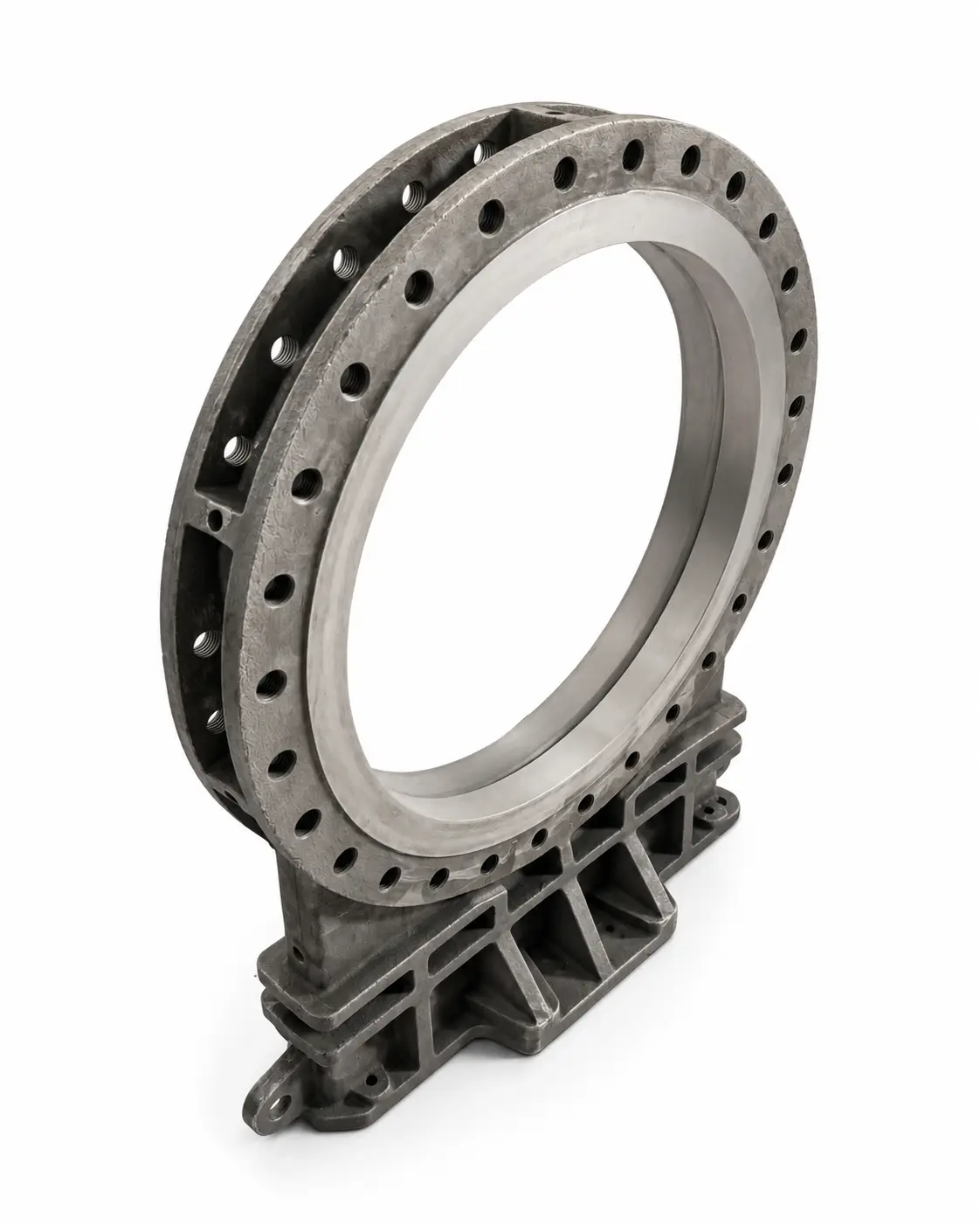
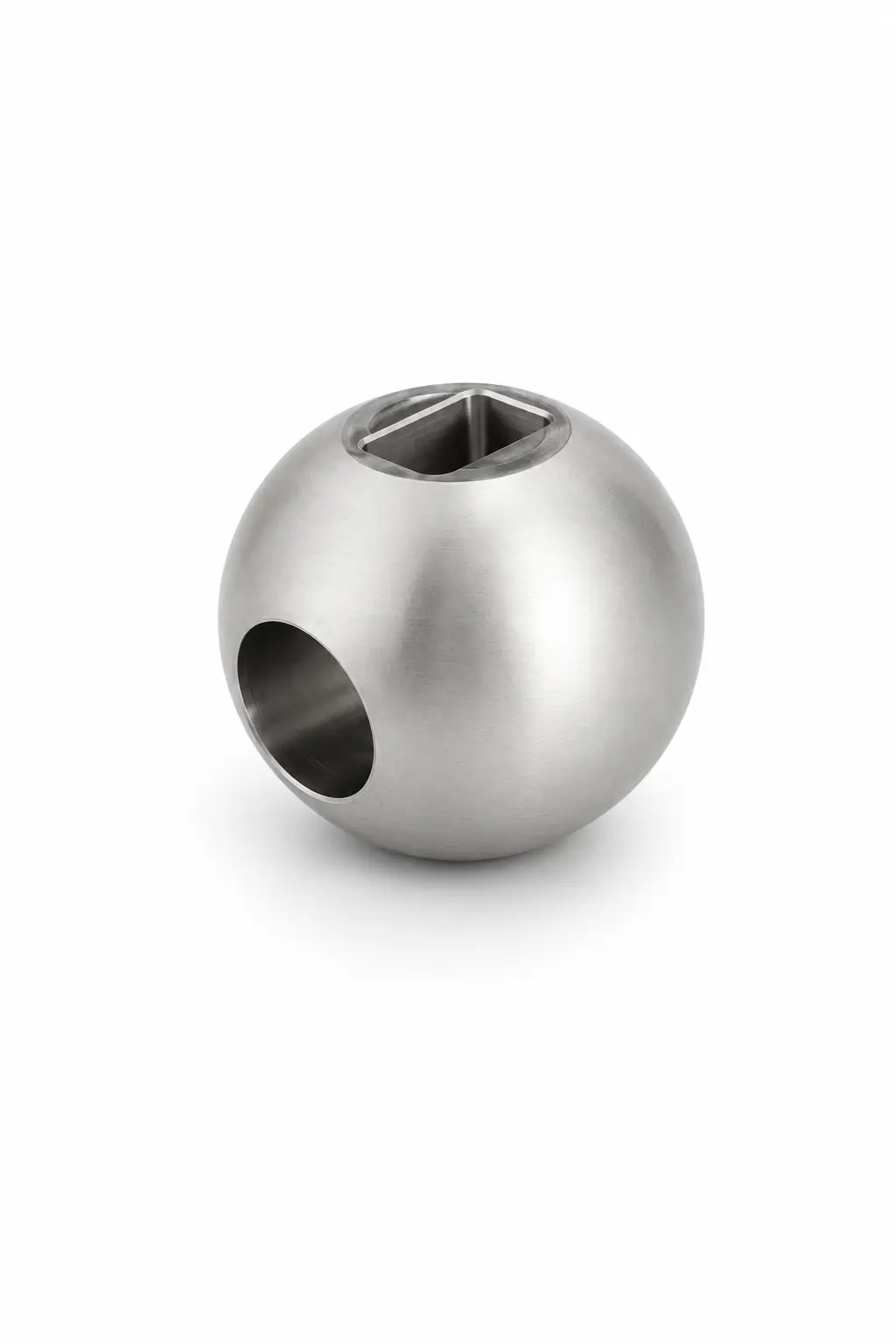
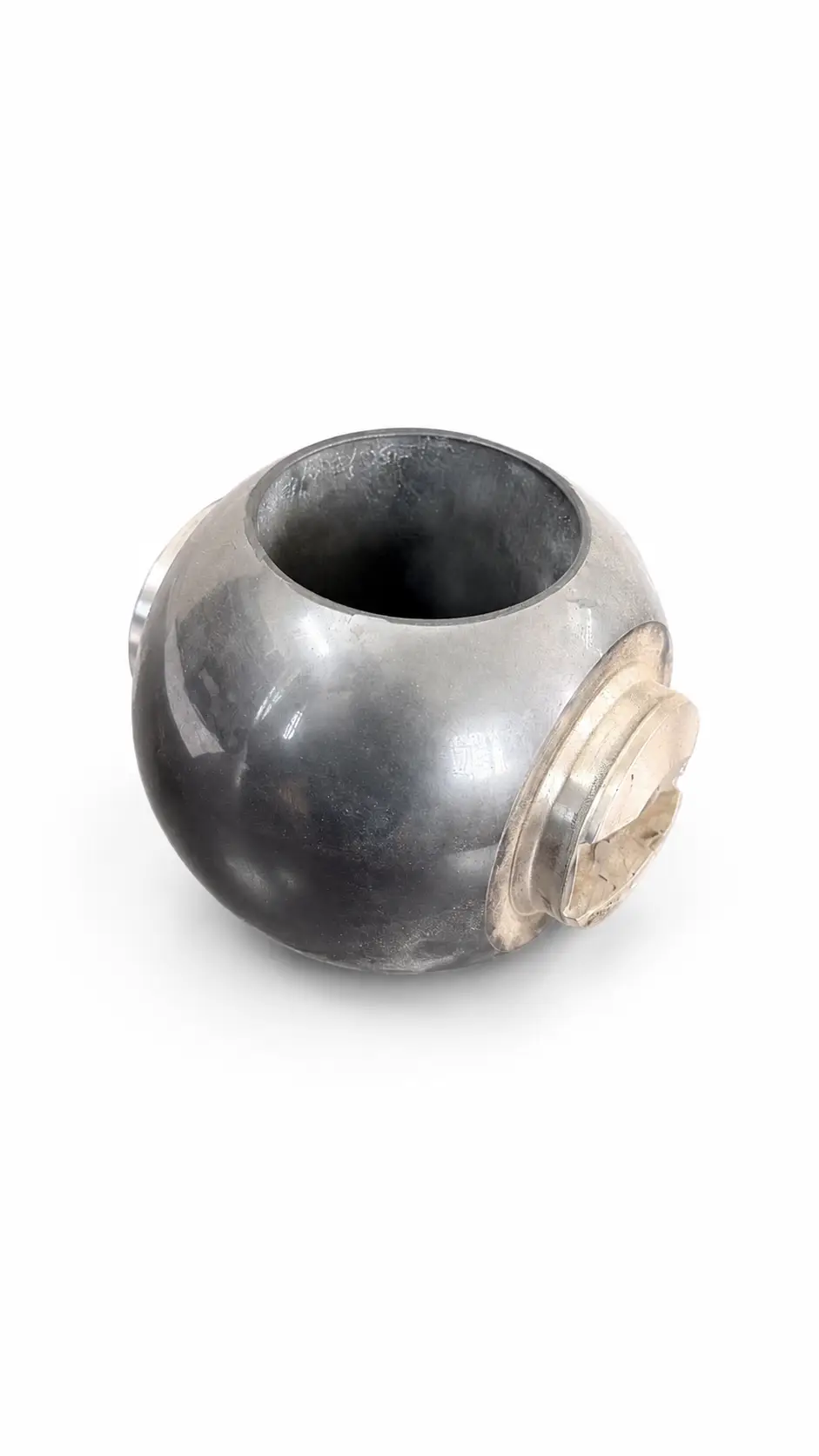
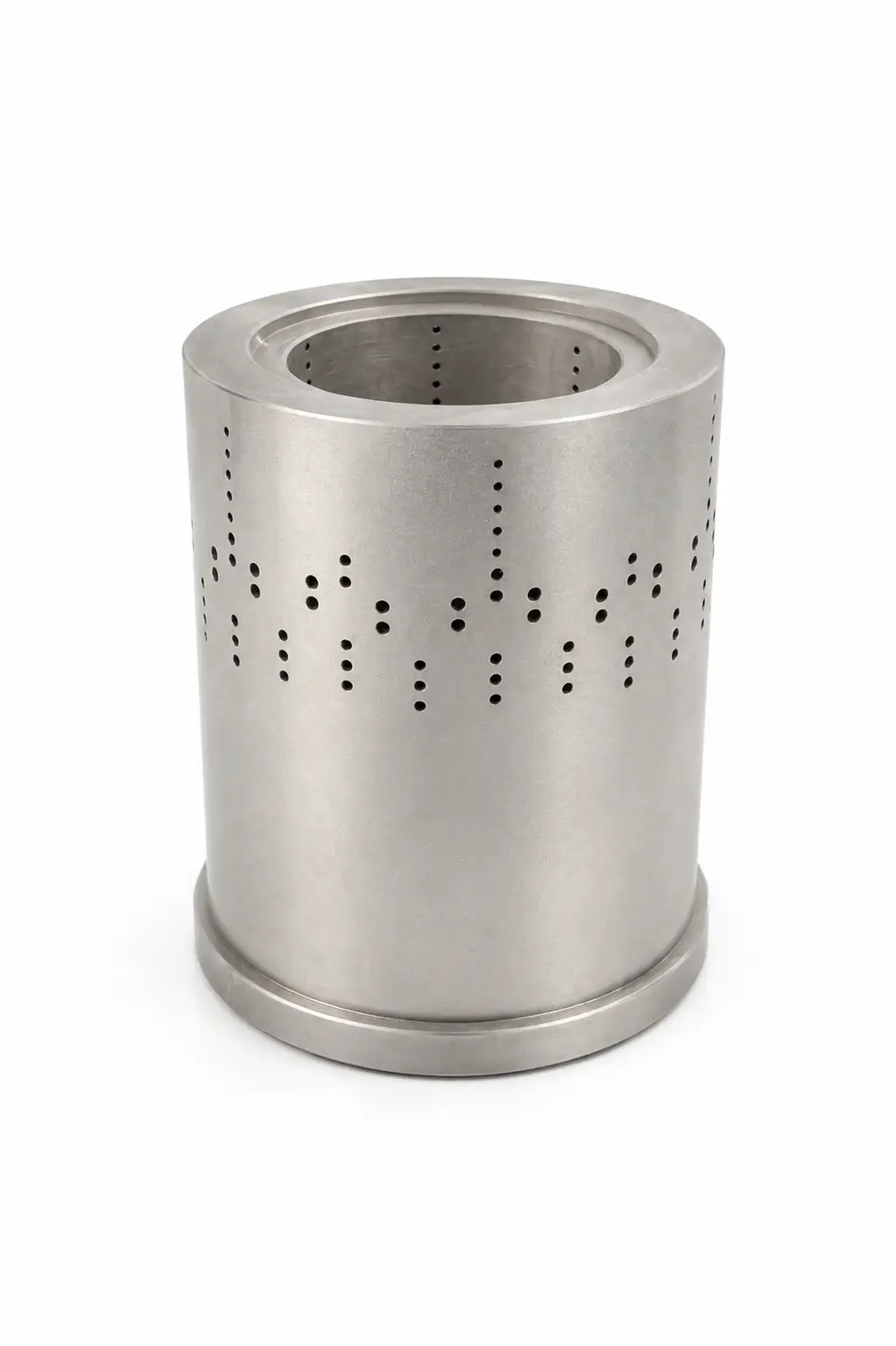
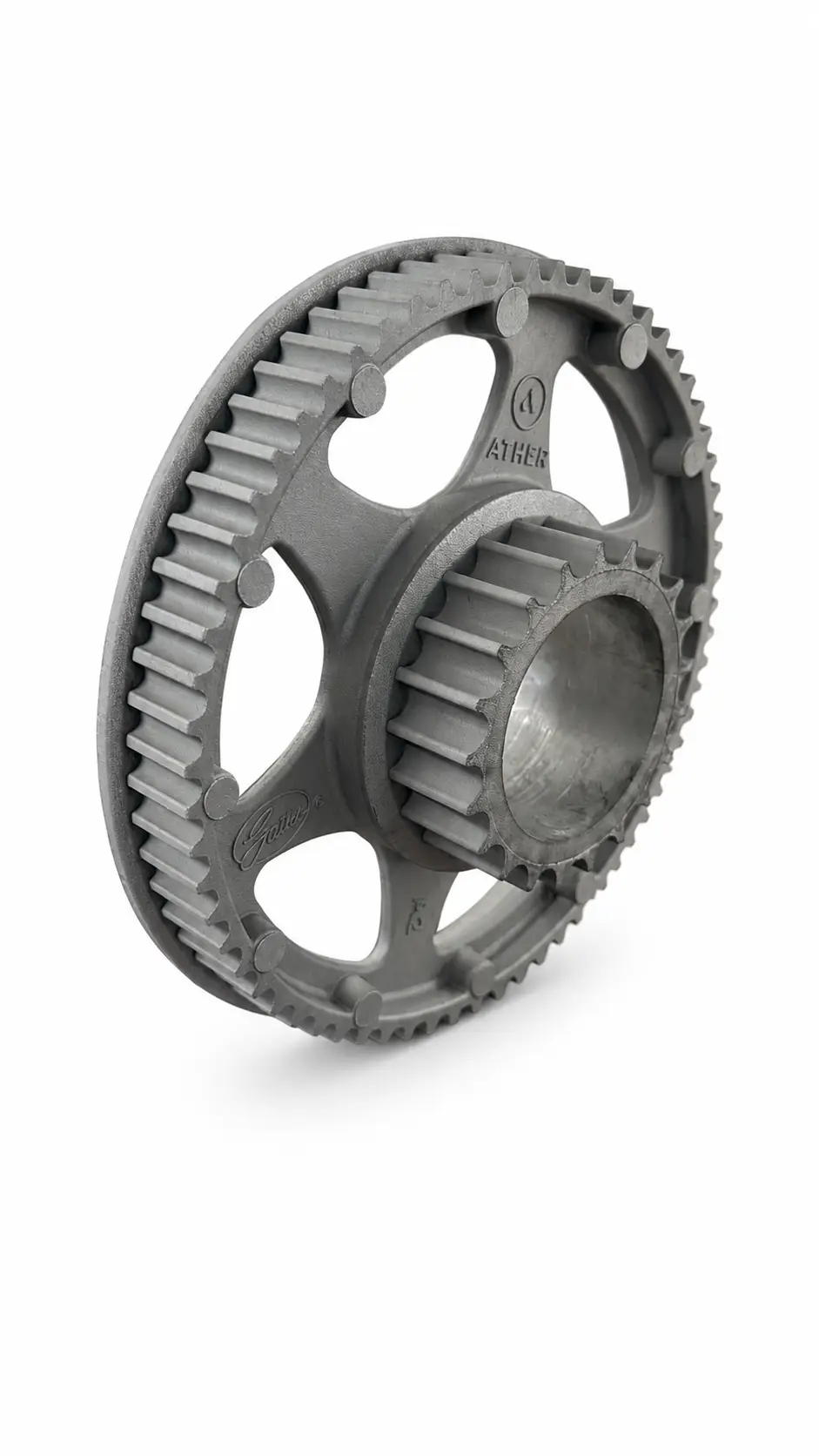
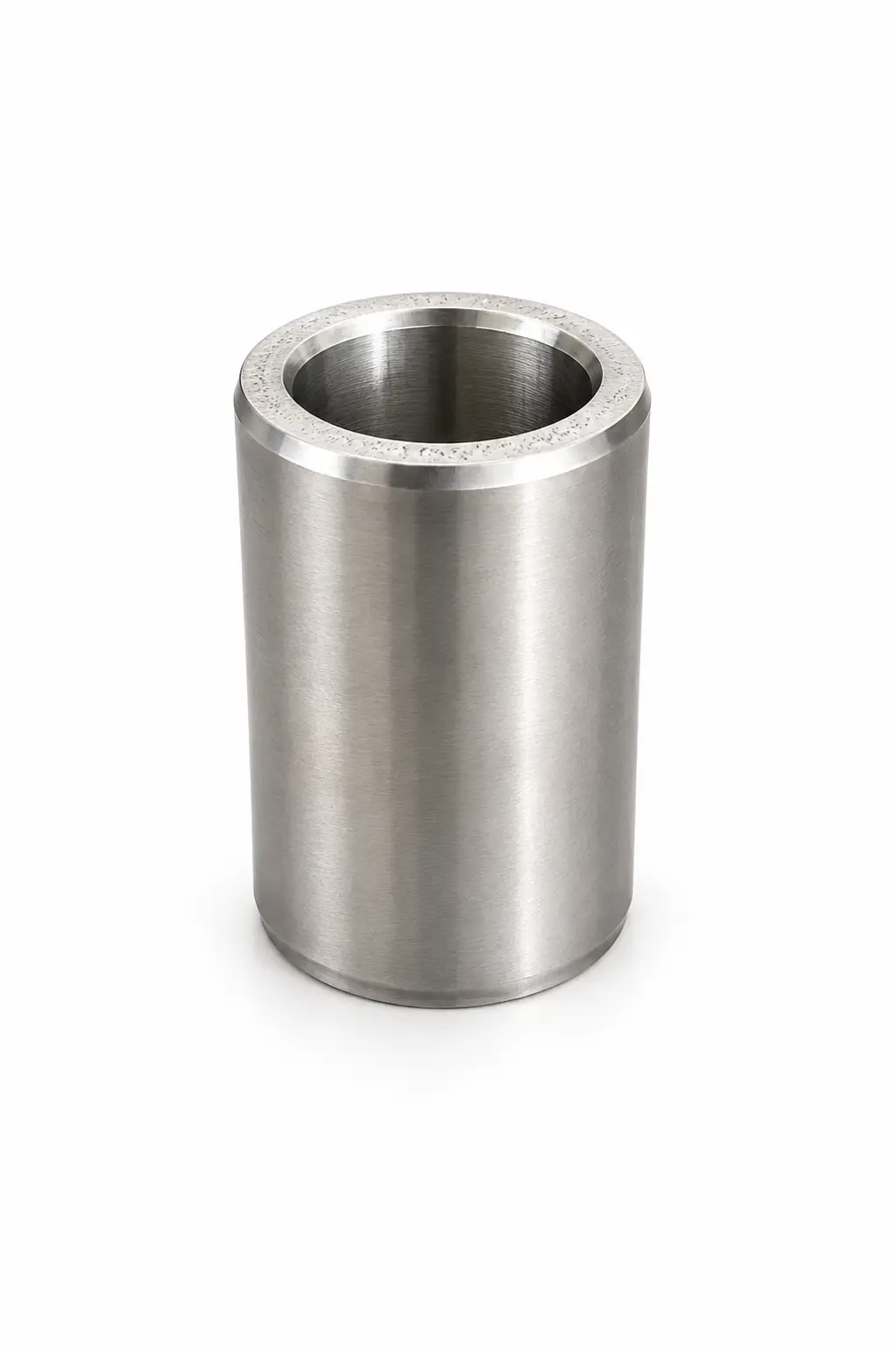
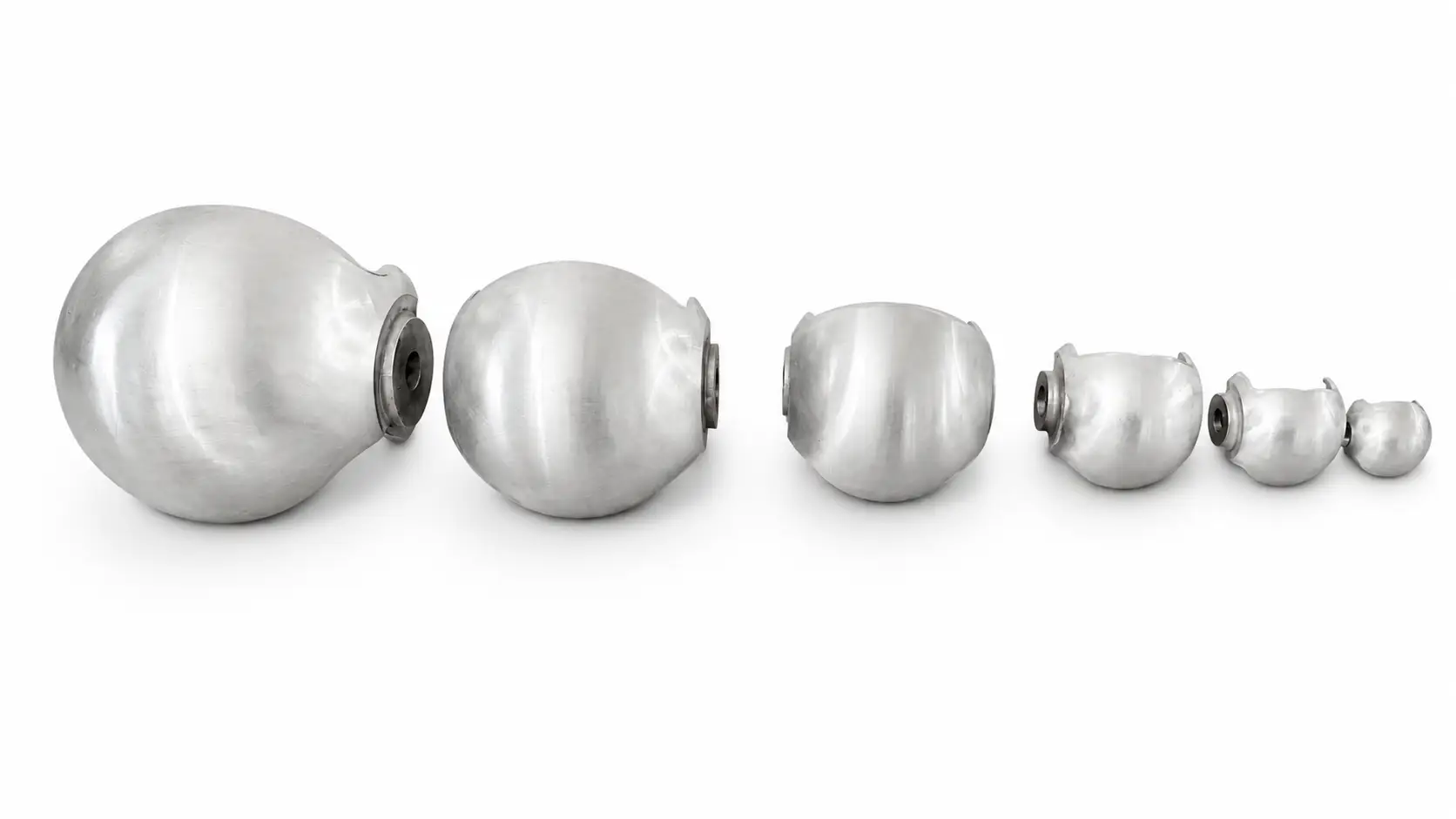
HVOF coating is a thermal spray coating process that produces extremely dense, hard, and wear-resistant coatings. The term HVOF stands for High Velocity Oxy-Fuel, which describes the method of using a mixture of fuel gas (like hydrogen, propane, or kerosene) and oxygen to create a high-temperature, high-velocity flame. The coating material-usually in powder form (such as tungsten carbide, chromium carbide, or other metal alloys)-is fed into this flame and accelerated toward the surface at supersonic speeds. The molten or semi-molten particles strike the surface, flatten, and form a tightly bonded, dense coating layer with exceptional adhesion strength.
HVOF coatings are widely used in aerospace, power generation, oil & gas, paper, and engineering industries, primarily to improve wear resistance, corrosion resistance, and surface durability. The process results in coatings with low porosity and high hardness (up to 1400 HV), making them ideal for replacing hard chrome plating and other traditional surface treatments. Common HVOF materials include Tungsten Carbide-Cobalt (WC-Co), Chromium Carbide-Nickel Chrome (Cr₃C₂-NiCr), and Inconel alloys.
Key Advantages
- High Wear Resistance: Extends the life of components exposed to friction, erosion, and abrasion.
- Corrosion Protection: Provides a dense, impervious layer that prevents oxidation and chemical attack.
- Excellent Bond Strength: Strong adhesion to base materials (typically >70 MPa).
- Low Porosity: Produces a very compact coating with minimal defects or voids.
- High Hardness: Achieves hardness levels up to 1400 HV, suitable for heavy-duty applications.
- Minimal Distortion: Low heat input ensures the base material retains its mechanical properties.
Applications
- Hydraulic rods and shafts
- Turbine blades and compressor components
- Pump sleeves, impellers, and plungers
- Piston rods, rollers, and valve seats
- Aerospace landing gear and engine parts